


The Ticking Clock: The Environmental and Business Reality of TV Recycling

While a pallet of old monitors might look like a harmless stack of "glass and plastic," it is actually one of the most complex and high-risk categories in the e-waste stream. In 2026, the regulatory and environmental stakes for disposing of televisions have never been higher.
1. The Hazardous Heavyweight
Televisions—specifically older CRT (Cathode Ray Tube) models—are among the most toxic items in your office. A single CRT monitor can contain up to 4 to 8 pounds of lead, along with mercury and cadmium.
The Risk: When these units are stacked on pallets, the weight often causes the bottom units to crack. This transforms a storage problem into a hazardous waste spill, requiring specialized cleanup to meet 2026 EPA and OSHA standards.
2. Escalating Fines and "Speculative Accumulation"
Regulatory bodies are increasingly aggressive about "Speculative Accumulation"—the practice of stockpiling e-waste without a documented plan to recycle it.
The Cost: In states like California, fines for improper e-waste management can now reach up to $70,000 per violation, per day. If those pallets have been sitting for more than a year without a certified recycling contract, your "free storage" is actually a massive legal liability.
3. The "Zombie Data" in Smart TVs
Many businesses forget that modern flat-screen TVs are essentially large computers. They store:
Wi-Fi Passwords: To connect to your secure corporate network.
Cached Presentations: Potentially containing sensitive financial data or trade secrets.
Login Credentials: From boardroom streaming accounts or video conferencing apps.
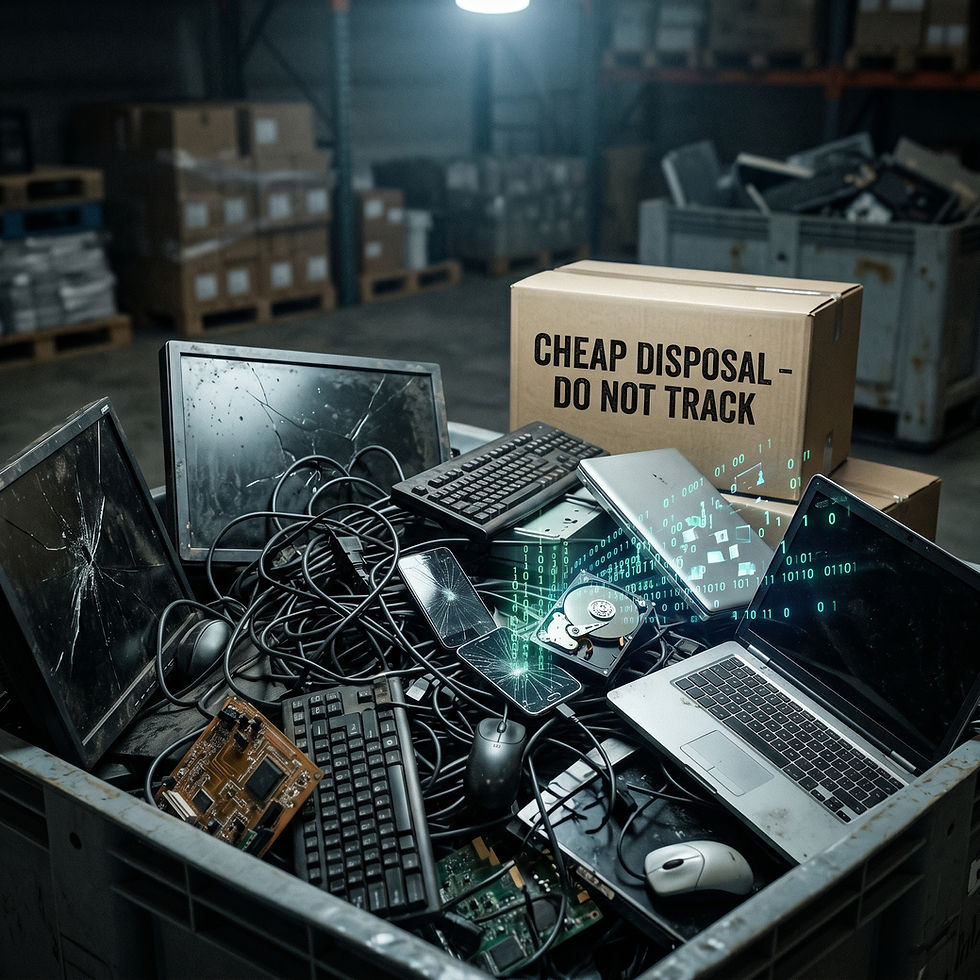
The Solution: Professional recycling includes NIST 800-88 compliant data destruction, ensuring that your "junk" doesn't become a backdoor for a data breach.
4. Recovering the Circular Value
Recycling isn't just about avoiding a fine; it’s about resource recovery. TVs contain significant amounts of copper, aluminum, and rare earth metals.
The JCI Impact: By using a certified recycling partner, you ensure these materials are reintroduced into the manufacturing loop, supporting your company’s ESG (Environmental, Social, and Governance) goals and reducing the carbon footprint of your IT lifecycle.
The Bottom Line: Those pallets in the warehouse aren't getting more valuable they are getting riskier. Proper TV recycling is a move from liability to compliance.
Ready to clear the IT graveyard? Let’s get those pallets moving toward a certified, sustainable future. Contact us today !


Comments